

Passion Project…

PuriTEA
A Fresh Approach to Well-Being
Our mission is to illuminate the benefits of Ayurvedic & homeopathic remedies and empower others through education about gentle, healthy approaches to living & healing.
100% Biodegradable Packaging
|
Ethically Sourced
|
Responsibly Compensated Labor
|
100% Biodegradable Packaging | Ethically Sourced | Responsibly Compensated Labor |

Why Us
100% Biodegradable packaging
No PLA or plastics trace. Loose leaf teas are kept in glass containers, not plastic.
Zero footprint, every single part from product to packaging comes from the Earth and goes back to the Earth
Whole leaf loose tea, not processed, pressed or mixed with unknown ingredients
At least 5 healthy, natural, superpower ingredients, herbs and spices in each tea sachet in order to aid all human functions

Our plan is to source ingredients from local farms and turn a portion of our profits to those in need.
Proceeds from our first month of sales will go toward supporting Elise M., a 12-year-old who endured an extended hospitalization in 2025 due to complications from a medical medication error. Each month we project to benefit individuals and groups similarly.
BE PART OF THE MOVEMENT
From Earth to Earth - LOCAL

2026
Austin
PuriTEA →
“I don’t even know how to THANK YOU. In two days my hands and knees are 50% better. I just can’t believe it.”
Founder's Husband Alex B.Alex suffered a bicycle accident on September 5th 2024 at age 49 resulting in a broken femur. 3.5 weeks into a fairly swift recovery, he showed signs of weakness. A medical doctor prescribed antibiotics without a blood test. Two days later the hospital pumped him with a heavier dose of the same antibiotics, withholding food and fluids for over 28 hours - in case they needed to operate. This resulted in acute encephalopathy, a complete cognitive shut down. Alex was unable to talk, walk, wouldn’t eat or comprehend anything. Alex was hospitalized in neurology with very slow recovery only when all drugs were taken away, receiving occupational, speech and physical therapy. Three weeks of in patient rehabilitation followed where he slowly learned to walk and speak, read and associate again. Through the following 16 months he’s had constant autoimmune complications without any concrete diagnosis. Symptoms have been swelling of hands, feet, chronic pain in the knees, hands, shoulders, lower legs. He has not been able to walk for longer than a few blocks, drive for over 2 hours or travel for longer than a 3 hour flight. Without making a medical claim, the daily dose of these tea blends have helped him tremendously. Within days he was able to close his hands more than 50% from before. His knees aren’t as achy and his feet are less swollen. “It’s reduced inflamtion and significantly reduced the pain due to the inflamation”. He has green tea in the morning and usually chamomile in the evening, or one of the non caffeinated other flavors, hibiscus and spearmint. We invite you to enjoy!
Heal
|
Restore
|
Thrive
|
Vitality
|
Heal | Restore | Thrive | Vitality |

Health Reimagined
Simple, calming and supportive blend of tea, herbs and spices for overall recovery. Ayurvedic inspired.
Stay tuned for ordering details..
Thank you for your patience. Email: YourNewDressFriend@gmail.com
Mission:
Aid Globally, Heal & Reset, Pay it Forward
Carefully crafted to nurture what matters most.

Concept Art - Packaging

Inflamation
Turmeric, Ginger, Green Tea, Hibiscus
Turmeric
Active compound: Curcumin
Science: Inhibits NF-κB and COX-2 pathways involved in inflammation; extensively researched.
Ginger
Active compounds: Gingerols
Science: Reduces inflammatory cytokines and oxidative stress.
Green Tea
Active compound: EGCG (epigallocatechin gallate)
Science: Strong antioxidant and anti-inflammatory effects; supports metabolic and cellular health.
Hibiscus
Active compounds: Polyphenols, anthocyanins
Science: Reduces oxidative stress and inflammatory markers.
Antioxidant + inflammatory pathway inhibition.

Fennel, Ginger, Caraway, Coriander, Cardamom
Fennel
Active compound: Anethole
Science: Relaxes gastrointestinal smooth muscle, reduces gas and bloating.
Ginger
Active compounds: Gingerols, shogaols
Science: Stimulates gastric emptying and digestive enzyme activity; well-studied for nausea and indigestion.
Caraway
Active compounds: Carvone, limonene
Science: Reduces intestinal spasms and gas formation.
Coriander
Active compounds: Linalool, terpenes
Science: Supports digestive enzyme secretion and gut motility.
Cardamom
Active compounds: Cineole, terpinyl acetate
Science: Traditionally used to reduce bloating and support stomach comfort.
Carminative herbs + enzyme stimulation + smooth muscle relaxation.
Digestion

Chamomile, Tulsi
Chamomile
Active compound: Apigenin (flavonoid)
Science: Binds to GABA receptors in the brain, helping reduce nervous system activity and promote sleep onset. Widely studied for mild insomnia and anxiety.
Tulsi (Holy Basil)
Active compounds: Eugenol, ursolic acid
Science: Adaptogenic herb shown to lower cortisol and stress markers, indirectly supporting better sleep quality.
Nervous system calming + stress reduction without sedation.
Sleep
INGREDIENTS
Fennel
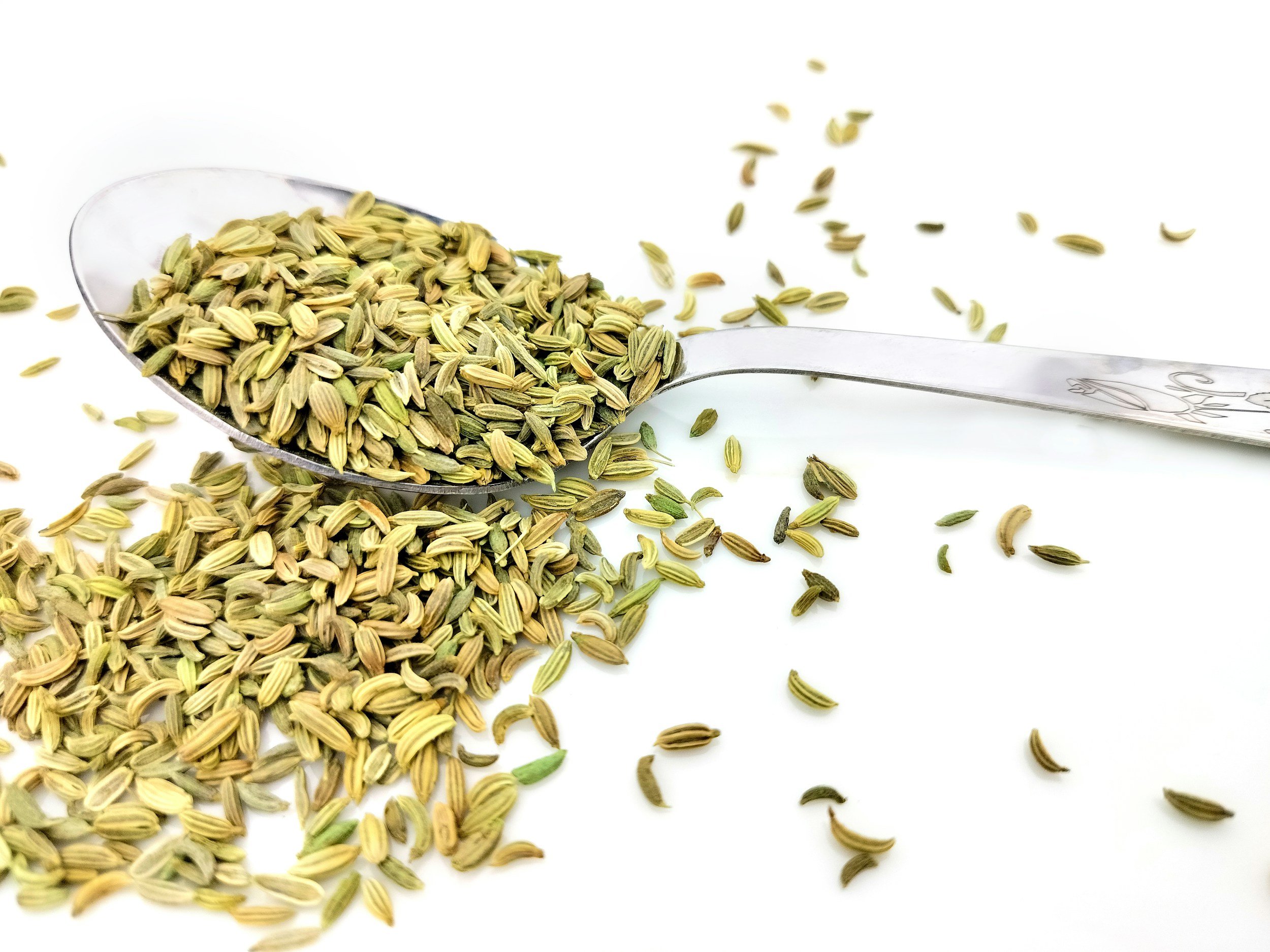
Fennel is one of those quietly powerful herbs. Gentle, but incredibly supportive, especially when the body is under stress or healing.
Key Health-Supporting Compounds in Fennel (Foeniculum vulgare):
Anethole
The primary aromatic compound in fennel. Known for supporting healthy digestion by helping ease gas, bloating, and intestinal discomfort. It also contributes to fennel’s soothing, mildly sweet flavor.Fenchone
Supports digestive motility and is traditionally used to help relieve feelings of heaviness after meals.Estragole (naturally occurring in small amounts)
Contributes to fennel’s aroma and digestive-calming effects when consumed as a tea in traditional amounts.Flavonoids (including quercetin and kaempferol)
Antioxidant plant compounds that help protect cells from oxidative stress and support overall wellness.Phenolic Compounds
Provide antioxidant support and contribute to fennel’s traditional use for gentle detox and digestive balance.Dietary Fiber (trace amounts in tea)
Supports digestive regularity and gut comfort.Minerals (naturally occurring)
Contains potassium, calcium, magnesium, and iron in small amounts, supporting fluid balance and overall body function.
Why fennel tea is loved:
These compounds work together to make fennel tea especially valued for digestive comfort, gentle detox support, and post-meal relief, while also offering mild antioxidant benefits.
Tulsi

Tulsi (Holy Basil) contains a rich mix of naturally occurring compounds that work together to support overall wellness.
Key ingredients and how they contribute to health:
Eugenol
A powerful aromatic compound with antioxidant properties that helps support a healthy inflammatory response and overall cellular protection.Rosmarinic Acid
A polyphenol known for its antioxidant and immune-supporting qualities; helps protect the body from oxidative stress.Ursolic Acid
Supports the body’s natural defense systems and is associated with stress resilience and metabolic balance.Ocimumosides A & B
Unique compounds in Tulsi linked to its adaptogenic effects, helping the body cope with physical and emotional stress.Flavonoids
Plant compounds that contribute antioxidant support and help promote heart, immune, and cellular health.Essential Oils
Including camphor, cineole, and linalool—these contribute to Tulsi’s soothing aroma and support respiratory comfort and mental clarity.Vitamins & Minerals (trace amounts)
Naturally contains small amounts of vitamin C, vitamin A, calcium, iron, and zinc, which support general wellness.
Together, these compounds give Tulsi its reputation as a balancing, protective, and revitalizing herb, especially when consumed as a tea.
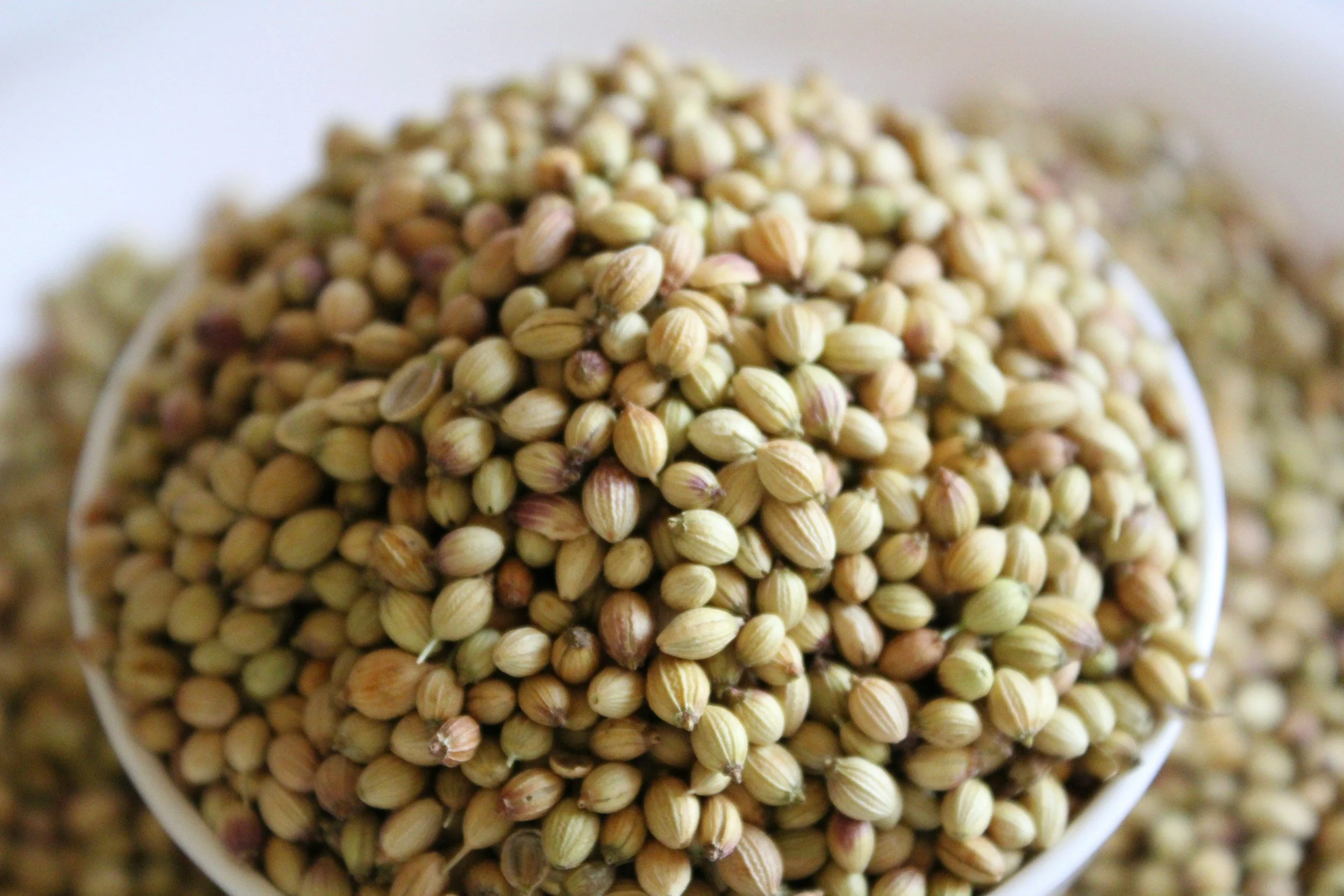
Coriander
Key Health-Supporting Compounds in Coriander (Coriandrum sativum):
Linalool
The dominant aromatic compound in coriander. Known for its calming and digestive-soothing properties, helping ease bloating, gas, and digestive tension.Terpenes (including borneol and camphor)
Support digestive comfort and contribute to coriander’s gentle, warming effect on the body.Flavonoids
Antioxidant plant compounds that help protect cells from oxidative stress and support overall wellness.Phenolic Acids
Contribute antioxidant and detox-supportive qualities, traditionally associated with cleansing and balance.Essential Oils
Naturally occurring oils that support digestive function and give coriander its mildly sweet, citrusy aroma.Dietary Fiber (trace amounts in tea)
Supports healthy digestion and regularity.Minerals (naturally occurring)
Contains small amounts of potassium, calcium, magnesium, and iron, which support normal body functions.
Why coriander tea is valued:
These compounds make coriander tea especially appreciated for digestive balance, gentle detox support, and overall digestive ease, with a mild, soothing nature that pairs well with other herbs.
Caraway
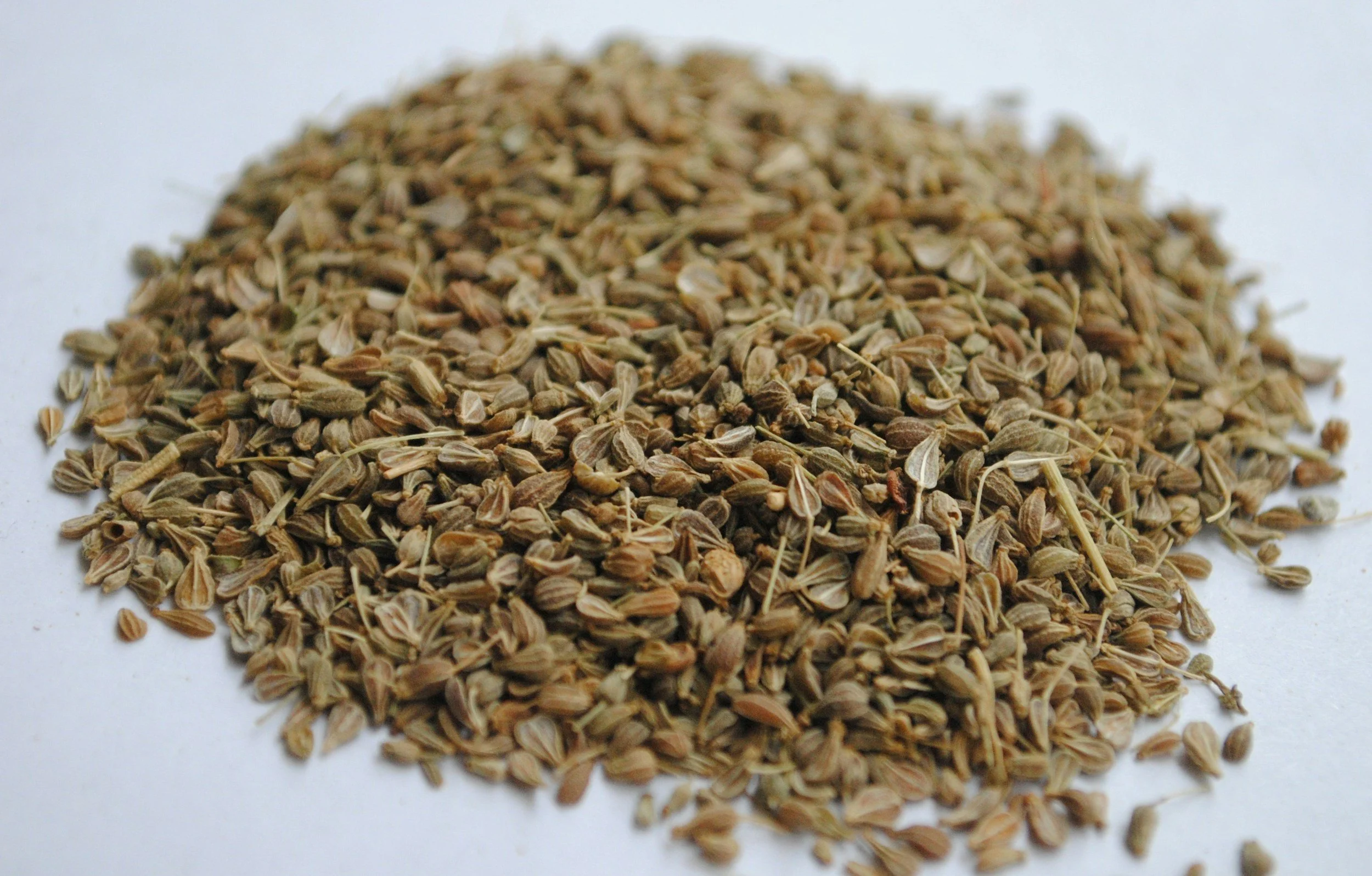
Key Health-Supporting Compounds in Caraway (Carum carvi):
Carvone
The main aromatic compound in caraway seeds. Known for supporting digestive comfort, easing bloating, gas, and stomach cramps. It also contributes to caraway’s warm, distinctive flavor.Limonene
A natural terpene that helps soothe the digestive system and provides mild antioxidant support.Anethole
Found in smaller amounts, contributes to digestive ease and supports overall gut comfort.Flavonoids
Plant-based antioxidants that help protect cells from oxidative stress and support general wellness.Phenolic Compounds
Contribute antioxidant and digestive-supportive effects, reinforcing caraway’s traditional use as a soothing herb.Essential Oils
These oils are responsible for caraway’s aroma and its digestive and mild anti-spasmodic properties.Minerals (trace amounts)
Contains small amounts of iron, calcium, magnesium, and potassium, supporting overall body functions.
Why caraway tea is valued:
Caraway tea is traditionally used for digestive comfort, relief from bloating or gas, and gentle support of gut health, while offering a soothing, mildly sweet and earthy flavor that blends well with other digestive herbs like fennel or coriander.
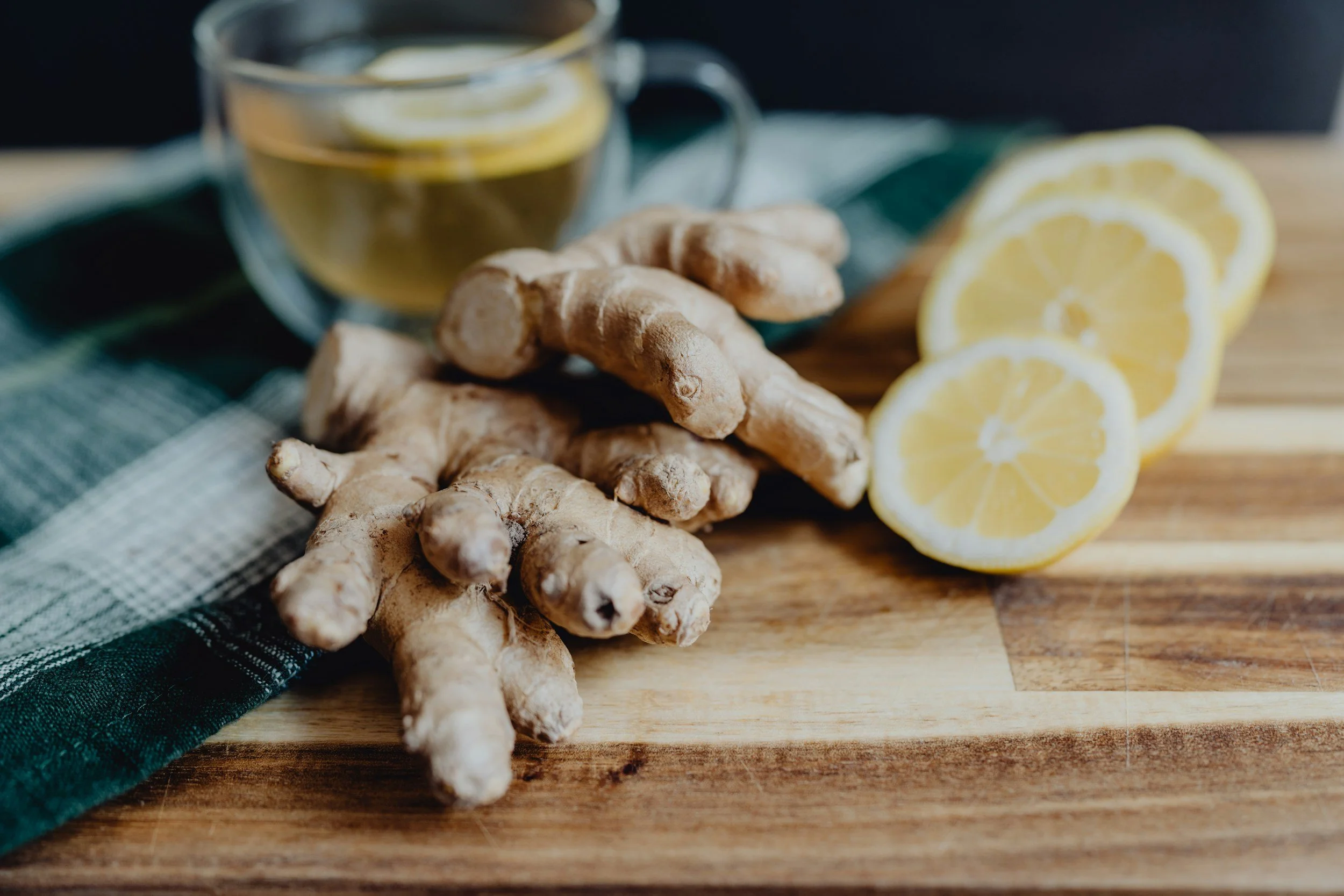
Ginger
Key Health-Supporting Compounds in Ginger:
Gingerols
The primary bioactive compounds in fresh ginger. They have powerful anti-inflammatory and antioxidant properties, helping support digestion, reduce nausea, and ease occasional discomfort.Shogaols
Formed when ginger is dried or cooked. They contribute antioxidant and digestive-supportive effects and are part of ginger’s warming, soothing qualities.Zingerone
A compound responsible for ginger’s sweet-spicy flavor, with antioxidant and digestive benefits, often supporting gut comfort and mild detoxification.Essential Oils (including zingiberene, β-bisabolene)
Contribute to ginger’s aroma, warming effect, and support for digestion, circulation, and immune resilience.Flavonoids
Natural antioxidants that help protect cells from oxidative stress and support overall wellness.Minerals & Vitamins (trace amounts)
Ginger contains small amounts of magnesium, potassium, and vitamin C, supporting general health and vitality.
Why ginger tea is valued:
Ginger tea is celebrated for digestive support, warming the body, easing nausea, and promoting circulation, while also offering gentle antioxidant protection and a comforting, invigorating flavor.
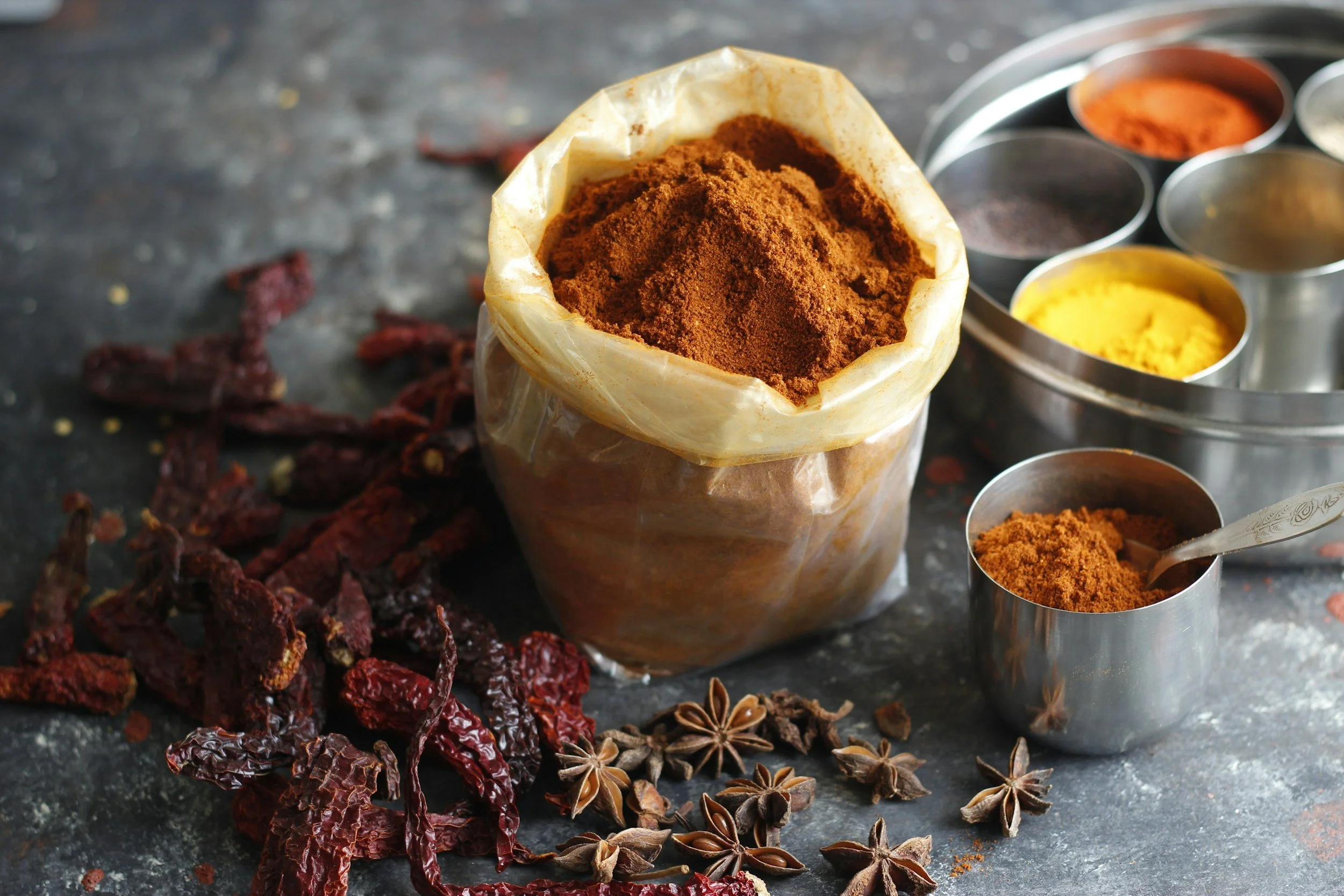
Turmeric
Key Health-Supporting Compounds in Turmeric:
Curcumin
The primary active compound in turmeric, known for its powerful antioxidant and anti-inflammatory properties. Supports joint health, healthy inflammation response, and overall cellular protection.Turmerones
Aromatic compounds found in turmeric essential oil that support brain function, immune health, and digestive wellness.Essential Oils
Contribute to turmeric’s warm, earthy aroma and aid in digestive comfort and metabolic support.Flavonoids & Phenolic Compounds
Provide antioxidant benefits, helping protect the body from oxidative stress and supporting overall wellness.Minerals (trace amounts)
Contains small amounts of iron, manganese, potassium, and magnesium, supporting general body functions.Gingerols / Shogaols (from fresh or dried turmeric)
In turmeric rhizomes, these compounds contribute digestive support and mild warming properties.
Why turmeric tea is valued:
Turmeric tea is celebrated for supporting healthy inflammation response, digestive wellness, immune resilience, and overall vitality, while offering a warm, earthy, and slightly peppery flavor.
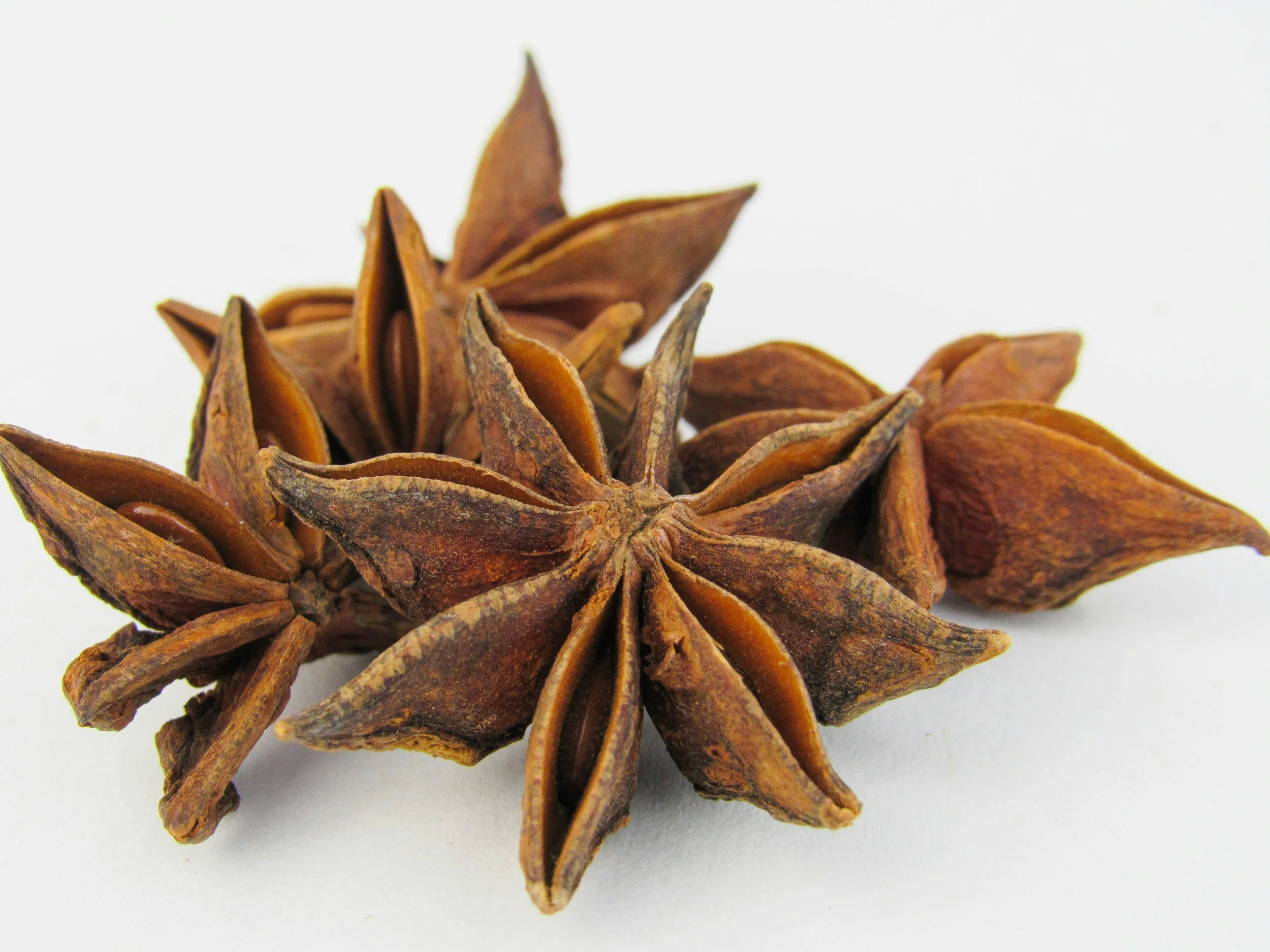
Anise
Key Health-Supporting Compounds in Anise:
Anethole
The main aromatic compound in anise, giving it its characteristic sweet, licorice-like flavor. Known for digestive support, helping ease bloating, gas, and mild stomach discomfort.Estragole
Contributes to anise’s aroma and calming, digestive-soothing effects.Flavonoids
Plant-based antioxidants that support cellular health, immune function, and overall wellness.Phenolic Compounds
Provide additional antioxidant protection and support the body’s natural detox pathways.Essential Oils
These volatile oils are responsible for anise’s aroma and its soothing effect on the digestive tract and mild respiratory support.Minerals (trace amounts)
Contains small amounts of calcium, magnesium, potassium, and iron, supporting general body functions.
Why anise tea is valued:
Anise tea is traditionally used for digestive comfort, easing bloating or gas, and supporting mild relaxation, while offering a sweet, licorice-like flavor that blends well with fennel, coriander, or caraway for digestive herbal teas.
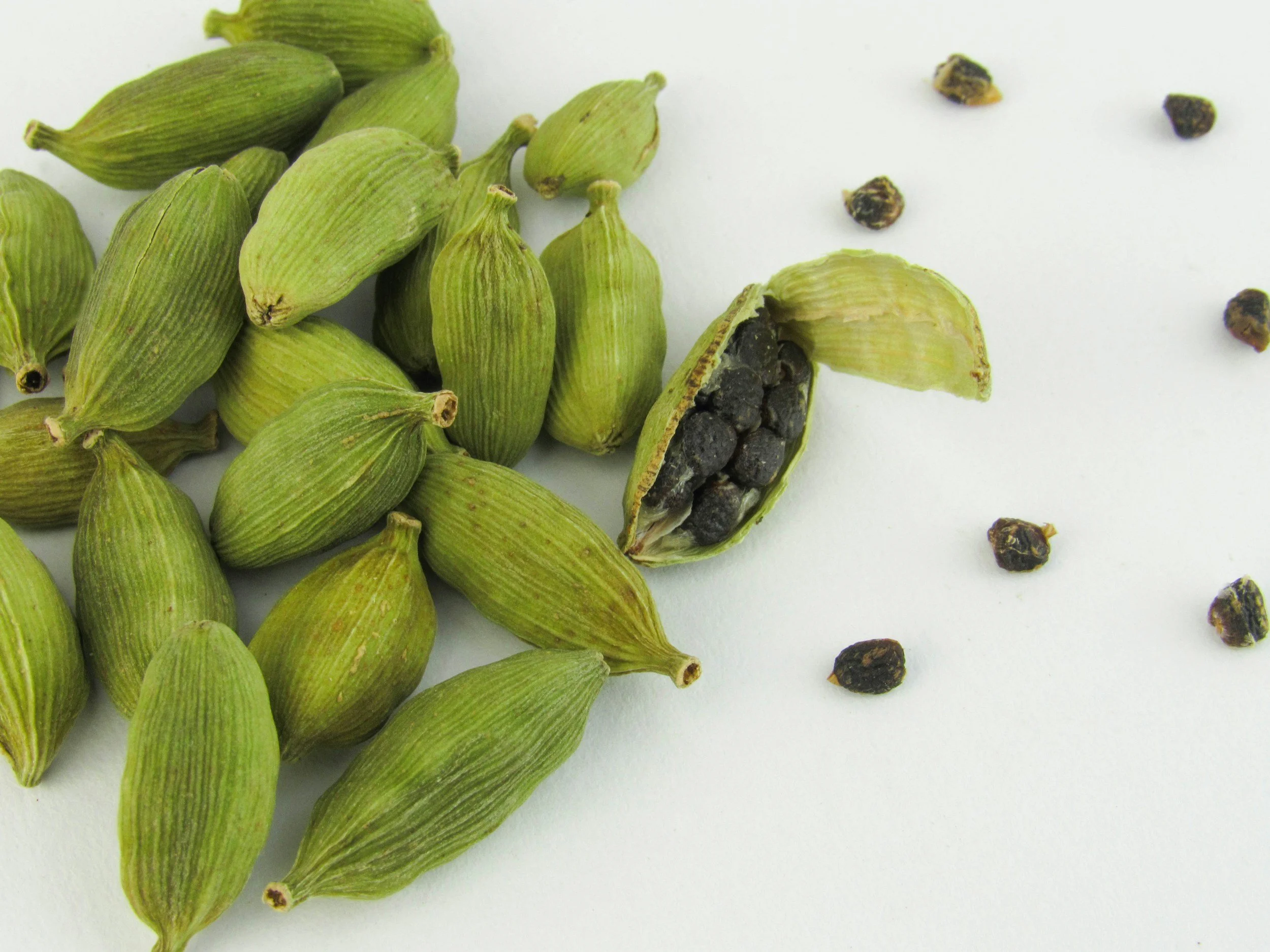
Cardamom
Key Health-Supporting Compounds in Cardamom:
Cineole (Eucalyptol)
A primary compound in cardamom’s essential oil, known for supporting respiratory comfort, digestion, and circulation.Terpenes (including α-terpinyl acetate and limonene)
Contribute to cardamom’s aromatic, warming properties, while aiding digestive health and mild anti-inflammatory effects.Flavonoids
Antioxidant compounds that help protect cells from oxidative stress and support overall wellness.Essential Oils
Responsible for cardamom’s distinct, sweet-spicy aroma, these oils promote digestive ease, fresh breath, and mild immune support.Minerals (trace amounts)
Contains small amounts of potassium, calcium, magnesium, and iron, which support general body function.Phenolic Compounds
Provide additional antioxidant and digestive-supportive benefits.
Why cardamom tea is valued:
Cardamom tea is traditionally enjoyed for digestive support, freshening the body, warming and comforting qualities, and its sweet-spicy aroma that blends beautifully with ginger, turmeric, or other herbal teas.
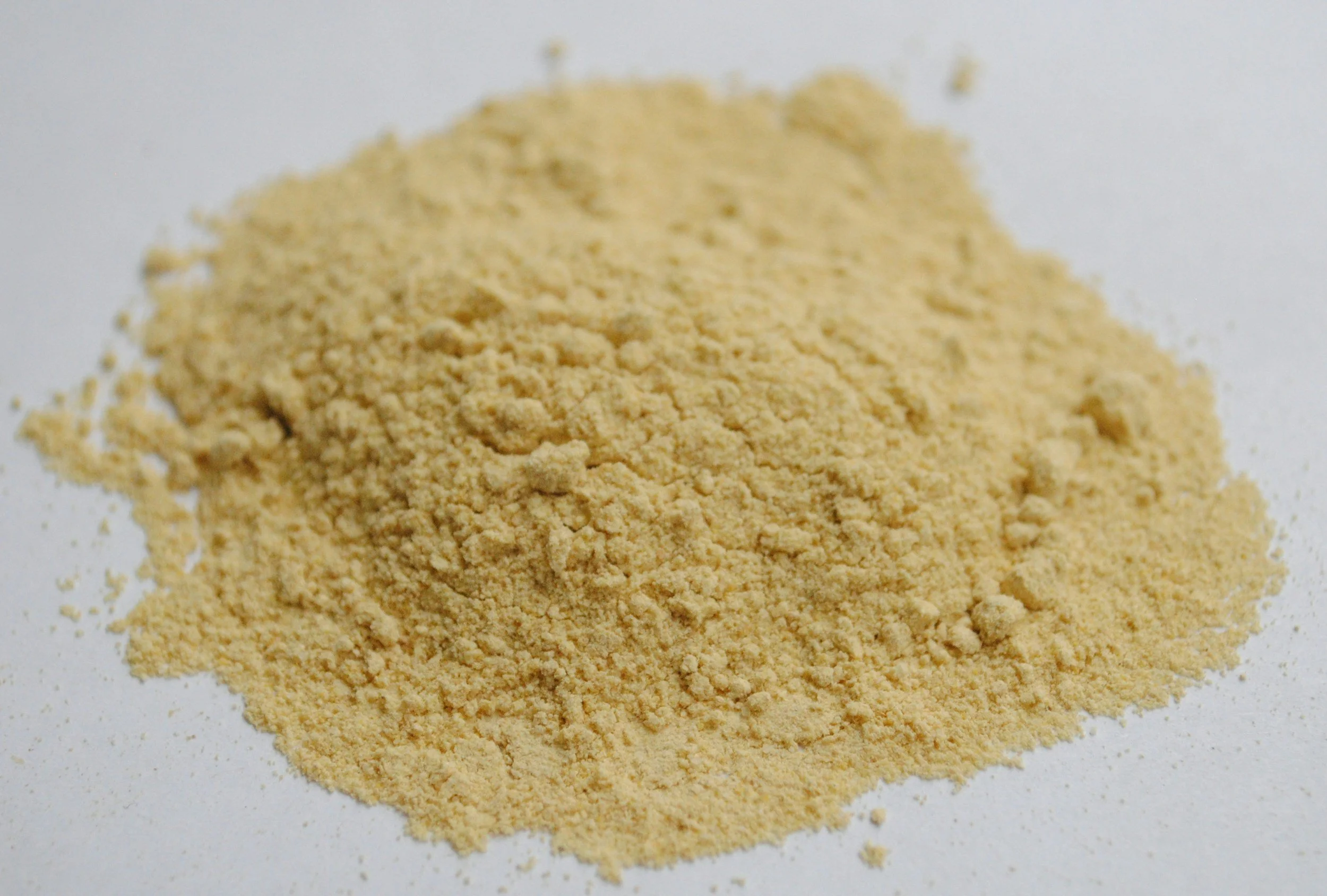
Fenugreek
Key Health-Supporting Compounds in Fenugreek:
Saponins
Bioactive compounds that help support healthy blood sugar levels, digestion, and overall metabolic balance.4-Hydroxyisoleucine
An amino acid unique to fenugreek, known for supporting healthy glucose metabolism and aiding in energy balance.Flavonoids
Antioxidant compounds that protect cells from oxidative stress and support general wellness.Alkaloids (including trigonelline)
Contribute to fenugreek’s bitter-sweet flavor and provide mild digestive and metabolic benefits.Mucilage (soluble fiber)
A gel-forming fiber that helps soothe the digestive tract, support satiety, and regulate digestion.Minerals
Fenugreek seeds contain iron, magnesium, manganese, and potassium, supporting overall body functions.
Why fenugreek tea is valued:
Fenugreek tea is traditionally enjoyed for digestive comfort, supporting healthy metabolism, and promoting overall vitality, while offering a slightly nutty, warming flavor that blends well with other spices like cardamom or ginger.
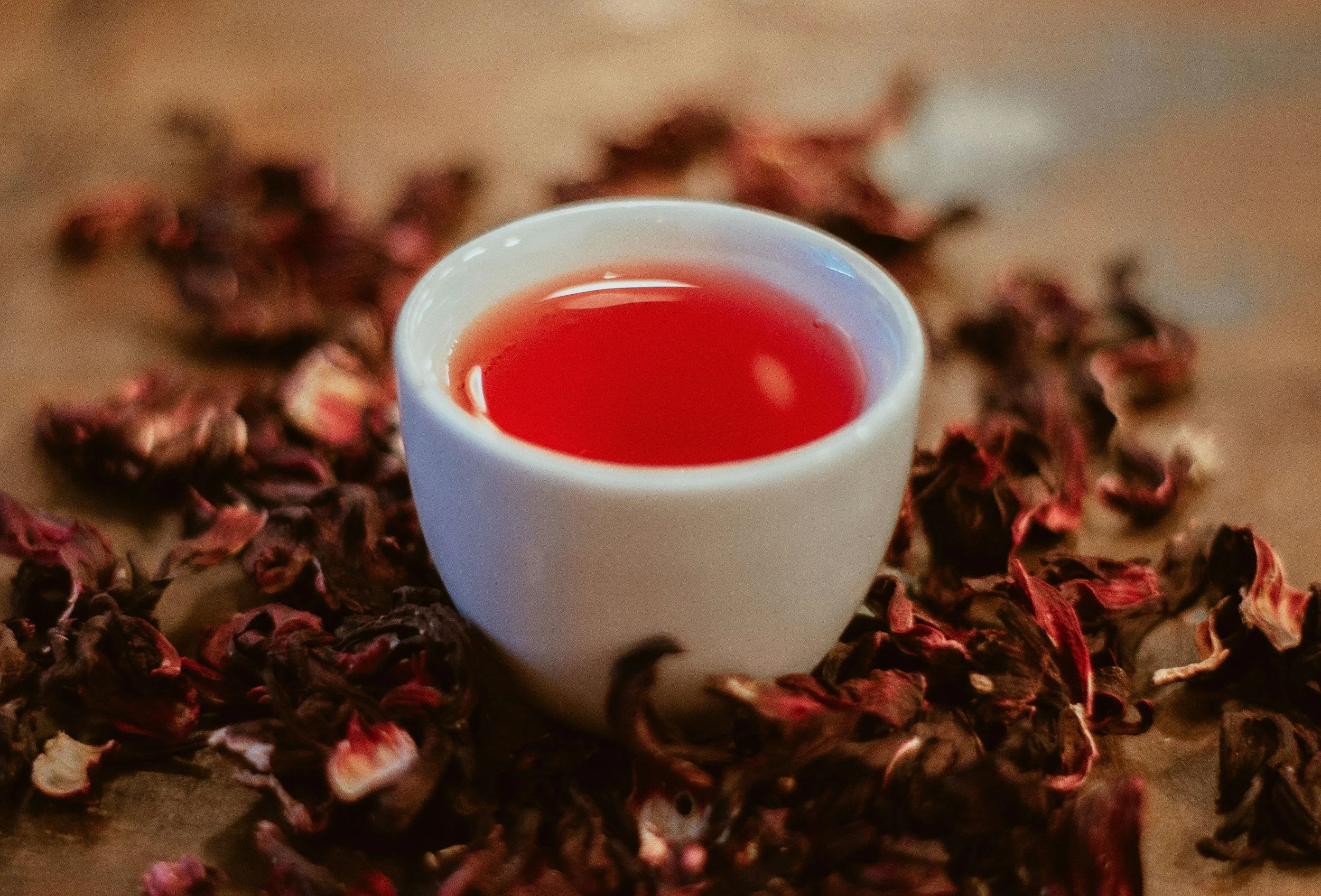
Hibiscus
Key Health-Supporting Compounds in Hibiscus:
Anthocyanins
Natural pigments that give hibiscus its vibrant red color. They are powerful antioxidants that help protect cells from oxidative stress and support heart and vascular health.Organic Acids (including citric, malic, and tartaric acids)
Contribute to hibiscus’s tangy flavor and may support digestive function and mild detoxification.Flavonoids
Plant-based antioxidants that help protect cells, support immune function, and promote overall wellness.Polyphenols
Provide additional antioxidant support and cardiovascular benefits, and help combat free radicals.Vitamins (trace amounts, especially Vitamin C)
Supports immune function and overall vitality.Minerals (trace amounts)
Contains small amounts of calcium, magnesium, and iron, supporting general body functions.
Why hibiscus tea is valued:
Hibiscus tea is traditionally enjoyed for antioxidant support, promoting heart and vascular health, gentle detoxification, and refreshing hydration, while offering a bright, tart, and floral flavor that pairs beautifully with spices like ginger, cinnamon, or cardamom.
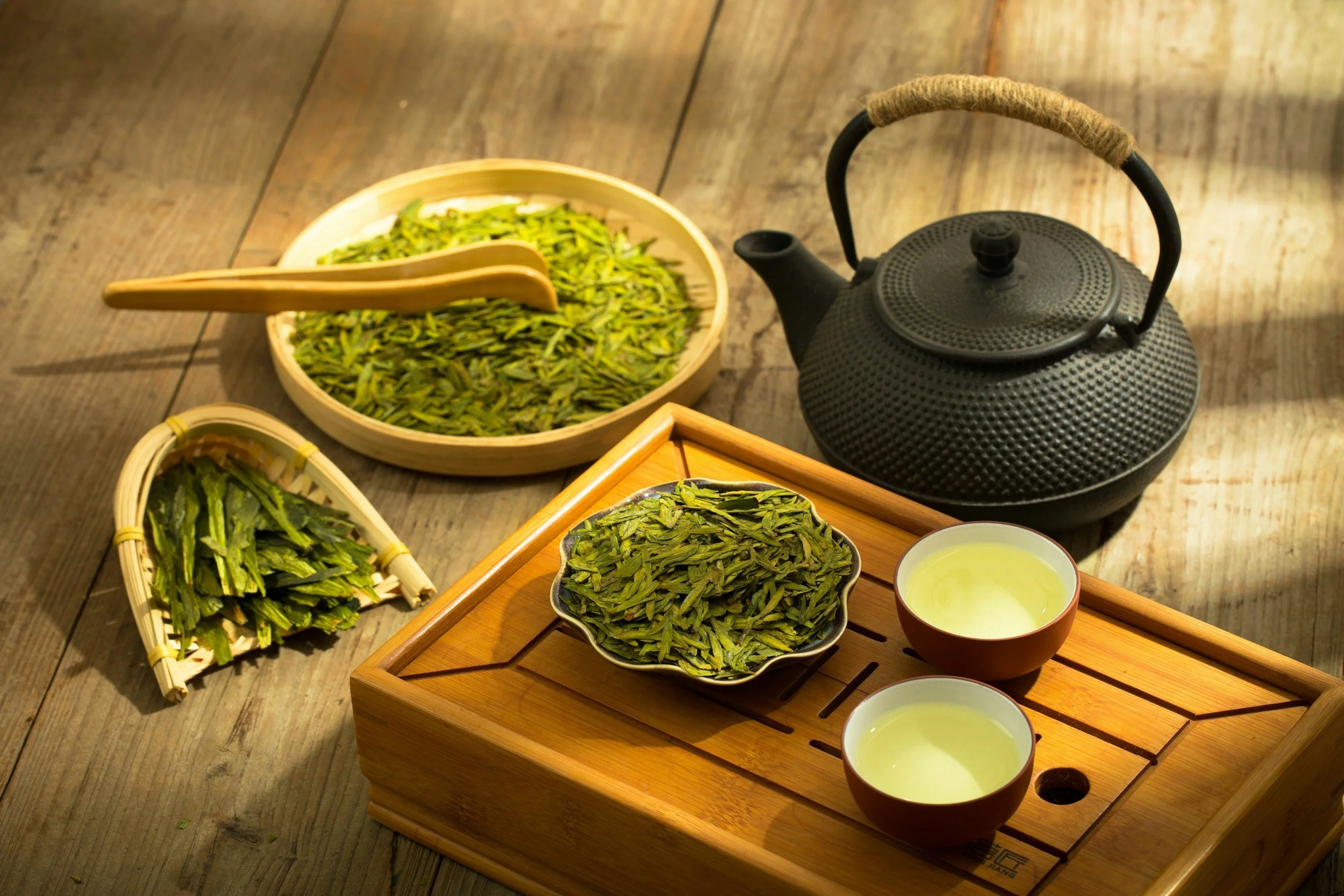
Green Tea
Key Health-Supporting Compounds in Green Tea:
Catechins (especially EGCG – Epigallocatechin Gallate)
Powerful antioxidants that help protect cells from oxidative stress, support metabolism, and promote heart and brain health.L-Theanine
An amino acid that promotes calm alertness, mental clarity, and stress reduction without causing drowsiness.Caffeine (mild natural levels)
Provides a gentle energy boost and alertness while working synergistically with L-theanine to avoid jitters.Flavonoids
Plant-based antioxidants that contribute to cellular protection, cardiovascular wellness, and overall immunity.Polyphenols
Compounds that help support healthy inflammation response and metabolic balance.Vitamins & Minerals (trace amounts)
Contains small amounts of manganese, magnesium, potassium, and B vitamins, supporting overall health.
Why green tea is valued:
Green tea is celebrated for antioxidant protection, mental focus, gentle metabolism support, and overall vitality, with a delicate, grassy, and slightly sweet flavor that pairs well with herbs like mint, lemongrass, or ginger.

Chamomile
Key Health-Supporting Compounds in Chamomile (Matricaria chamomilla / Chamaemelum nobile):
Apigenin
A flavonoid that promotes relaxation by gently binding to receptors in the nervous system. Known for supporting healthy sleep and reducing mild anxiety.Luteolin and Quercetin
Flavonoids with antioxidant and anti-inflammatory effects. Help protect cells from oxidative stress and support overall wellness.Chamazulene
A sesquiterpene formed during chamomile’s preparation. Known for its anti-inflammatory and soothing properties, supporting digestion and skin comfort.α-Bisabolol
A sesquiterpene alcohol that promotes wound healing, reduces skin irritation, and has mild antimicrobial effects.Phenolic Acids (Caffeic acid, Chlorogenic acid)
Provide antioxidant support and contribute to chamomile’s traditional use for gentle immune and digestive support.Volatile Oils (Bisabolol oxide, Farnesene, Spiroether)
Contribute to chamomile’s calming aroma and support mild anti-inflammatory and antimicrobial effects.Coumarins
Offer gentle circulation support and contribute to cardiovascular wellness.
Why chamomile tea is loved:
These compounds work together to make chamomile tea especially valued for relaxation, sleep support, digestive comfort, skin health, and mild antioxidant benefits.
Get In Touch
If you're interested in working with us, complete the form with a few details about your project. We'll review your message and get back to you within 48 hours.